

Healthy, confident skin is not achieved by following trends or copying someone else’s skincare routine. Every patient walks into a clinic with a unique skin history, different concerns, and individual expectations. Some struggle with acne that refuses to settle, while others are worried about pigmentation, dullness, or early signs of aging. The real challenge is not just finding a treatment — it is understanding which treatment is actually right for your skin type and condition.
In clinical practice, one of the most common misconceptions is that aesthetic procedures are one-size-fits-all solutions. Patients often arrive after trying popular treatments seen online, only to realize that their skin reacted differently. This is where professional evaluation becomes essential. The right treatment plan begins with understanding the structure of your skin, the root cause of your concerns, and the long-term health of your skin barrier.
Skin types are typically classified as oily, dry, combination, sensitive, or normal, but real skin rarely fits neatly into a single category. For example, a patient may have oily skin with dehydration, or dry skin that is highly sensitive to certain ingredients. When a dermatologist evaluates skin, they consider oil production, hydration levels, pigmentation patterns, inflammation, lifestyle habits, hormonal influences, and even environmental exposure. Only after understanding these factors can a safe and effective treatment path be recommended.
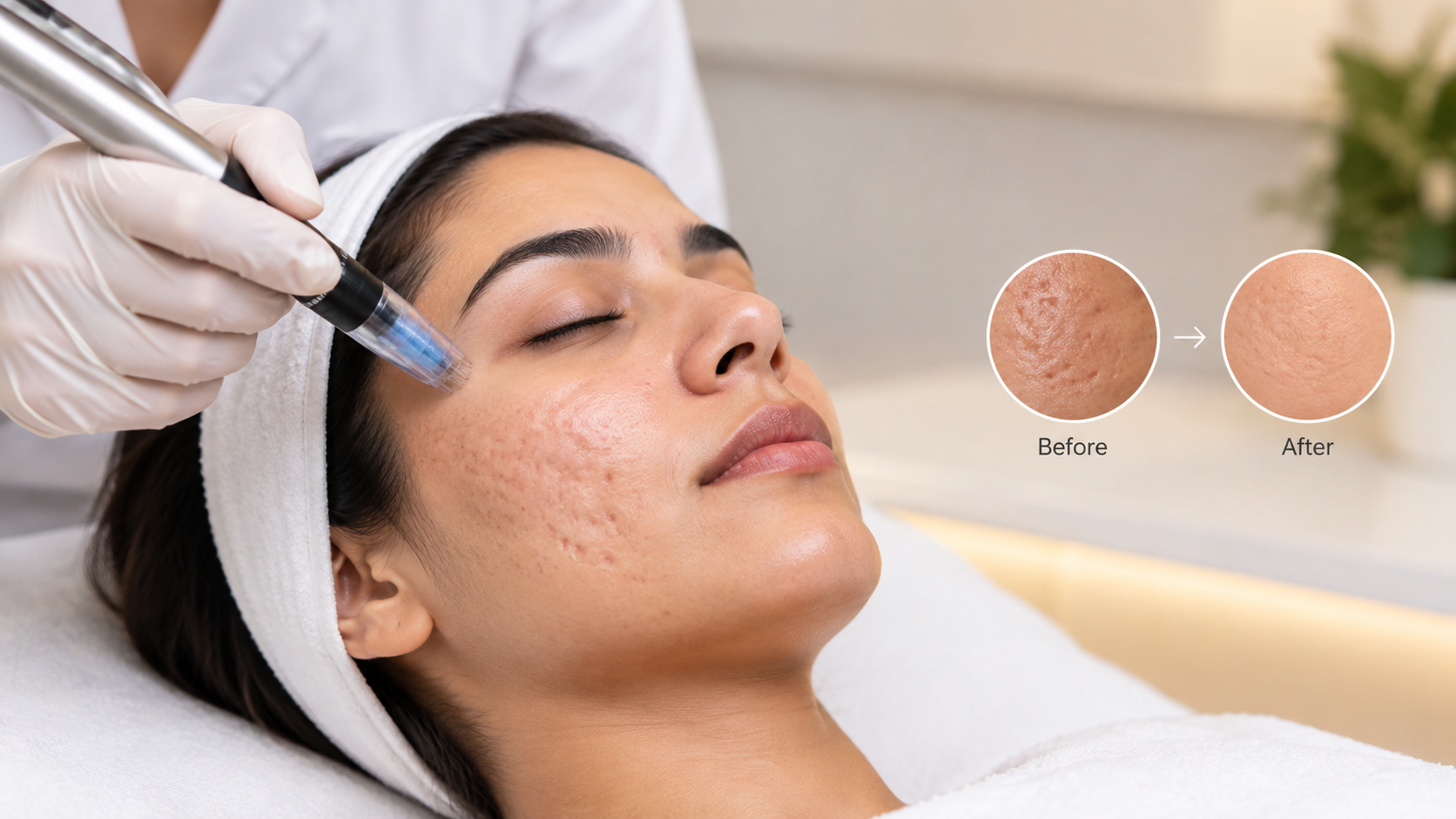
For acne-prone skin, the focus is not only on clearing active breakouts but also on preventing future inflammation and minimizing scars. Treatments such as medical peels, laser therapy, and dermatologist-guided skincare help reduce oil imbalance and bacterial growth without damaging the skin barrier. However, the intensity and frequency of these treatments must be carefully customized. Over-treating acne can lead to dryness, sensitivity, and post-inflammatory pigmentation, which often becomes a bigger concern than the original breakouts.
Pigmentation concerns require an entirely different approach. Uneven skin tone may be caused by sun exposure, hormonal changes, acne scars, or underlying skin conditions. Patients often expect quick fixes, but safe pigmentation management is gradual and controlled. Aesthetic treatments for pigmentation focus on reducing excess melanin while protecting the skin from further damage. Procedures such as chemical peels, laser toning, and brightening therapies must be selected based on skin sensitivity and pigmentation depth. A professional treatment plan always includes sun protection and barrier repair, which are equally important as in-clinic procedures.
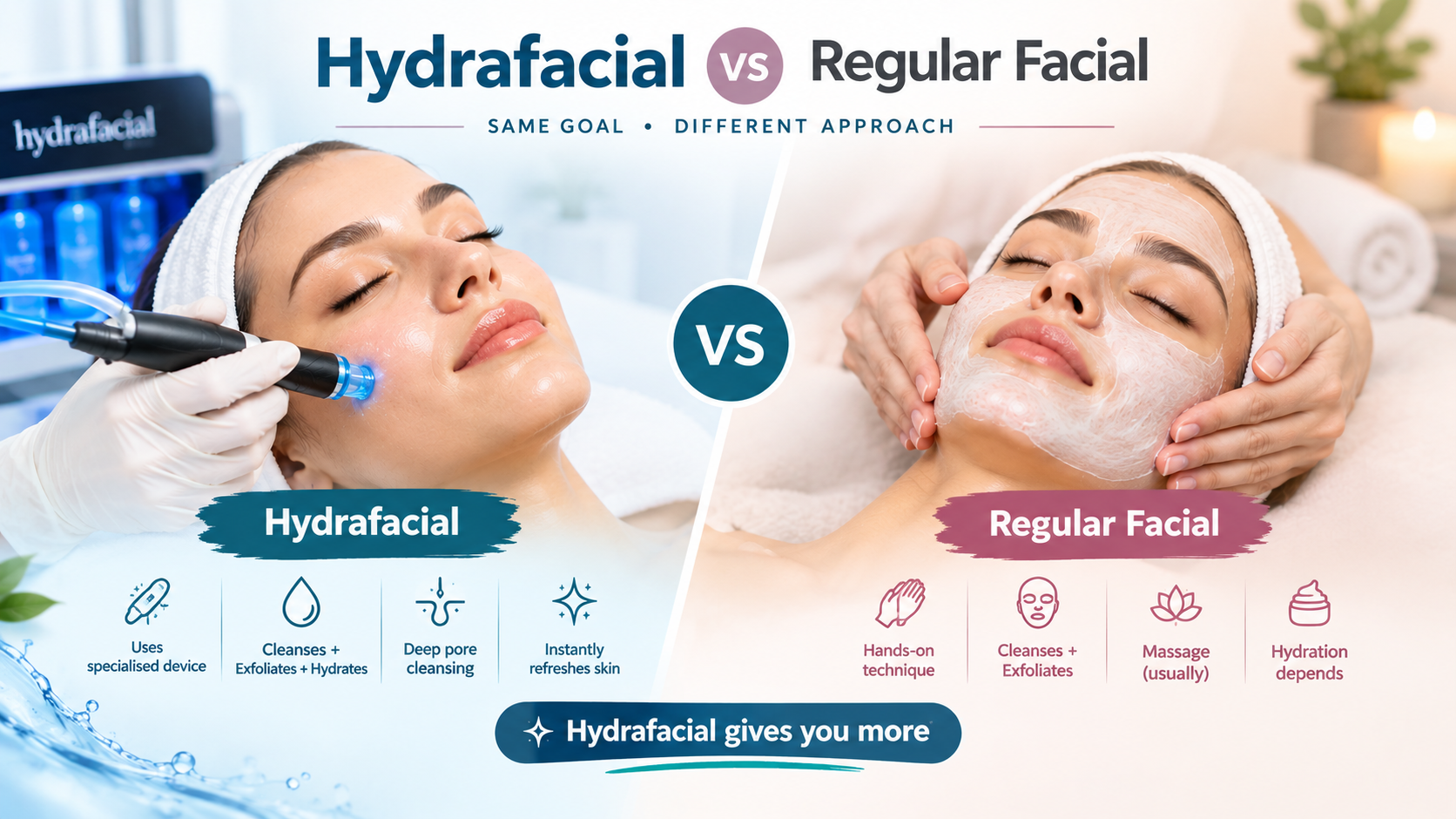
When it comes to anti-aging treatments, personalization becomes even more important. Aging does not happen in the same way for everyone. Some individuals experience early fine lines due to dehydration, while others notice loss of volume, uneven texture, or sagging over time. A responsible aesthetic approach focuses on maintaining natural skin health rather than chasing unrealistic perfection. Treatments like skin rejuvenation therapies, collagen-boosting procedures, and advanced facials are chosen based on skin thickness, elasticity, and lifestyle factors. Preventive care is often more effective than aggressive correction later.
One of the biggest mistakes patients make is selecting treatments based solely on social media trends or influencer recommendations. What works for one person may not be suitable for another, especially in a country like India where skin types and pigmentation risks vary widely. Professional consultation ensures that treatments are chosen with safety, long-term results, and skin integrity in mind. A doctor not only assesses the visible condition of the skin but also identifies hidden triggers such as stress, hormonal imbalance, or incorrect home care routines.
Another important aspect is realistic expectations. Aesthetic medicine is about gradual improvement and sustained results. Treatments should enhance natural skin quality without creating dependency or damage. Patients who understand the science behind their procedures often experience better outcomes because they follow pre- and post-treatment instructions more carefully. Education is therefore a critical part of every consultation. When patients know why a treatment is recommended, they are more confident and consistent in their skincare journey.
+Lifestyle also plays a major role in determining the success of any aesthetic procedure. Sleep patterns, diet, hydration, sun exposure, and stress management all influence skin behavior. A good clinic focuses not only on procedures but also on guiding patients toward healthier daily habits. Simple changes such as regular sunscreen use, balanced nutrition, and gentle cleansing can significantly improve treatment outcomes.
Safety remains the foundation of all aesthetic decisions. Treatments should always be performed by trained professionals who understand dermatological science and patient safety protocols. Over-aggressive procedures or unverified products can cause long-term skin damage, including burns, scarring, and worsening pigmentation. Responsible clinics prioritize thorough skin analysis, transparent discussions, and evidence-based recommendations rather than promoting unnecessary treatments.
The journey toward better skin is not about instant transformation. It is a collaborative process between the patient and the doctor. Regular follow-ups allow treatment plans to evolve as the skin responds and improves. Over time, the focus shifts from correcting problems to maintaining healthy, resilient skin that ages naturally and gracefully.
Choosing the right aesthetic treatment ultimately begins with understanding your skin rather than chasing trends. A personalized consultation helps identify the safest and most effective options for acne control, pigmentation correction, and anti-aging support. When treatments are selected thoughtfully and combined with proper home care, patients not only see visible improvement but also develop long-term confidence in their skin.
In today’s digital world, information about skincare is everywhere, but not all advice is reliable or suitable for every individual. Professional guidance ensures that decisions are based on medical expertise rather than temporary popularity. The goal of aesthetic care is not to change who you are but to help your skin function at its healthiest level.
When patients approach aesthetic treatments with the right knowledge and realistic expectations, the results become more natural, safer, and longer lasting. Understanding your skin type, trusting professional evaluation, and committing to a consistent skincare plan are the true foundations of successful aesthetic treatment. Healthy skin is a reflection of balanced care, medical insight, and thoughtful choices made over time.