What Causes Acne? Common Triggers Explained

Acne is one of the most common skin concerns, but the reasons behind it are often misunderstood. Many people blame oily skin, poor hygiene, eating one particular food, or simply growing up. While these factors may influence breakouts, acne is usually the result of several changes happening beneath the skin.
A common situation dermatologists see is someone who has tried multiple face washes, creams, and home remedies for months but continues to experience breakouts because the actual trigger was never identified.
Acne can affect teenagers, young adults, and even people in their 30s or 40s. Some people develop occasional pimples, while others struggle with painful acne that leaves marks or scars. Understanding what causes acne is the first step toward managing it properly.
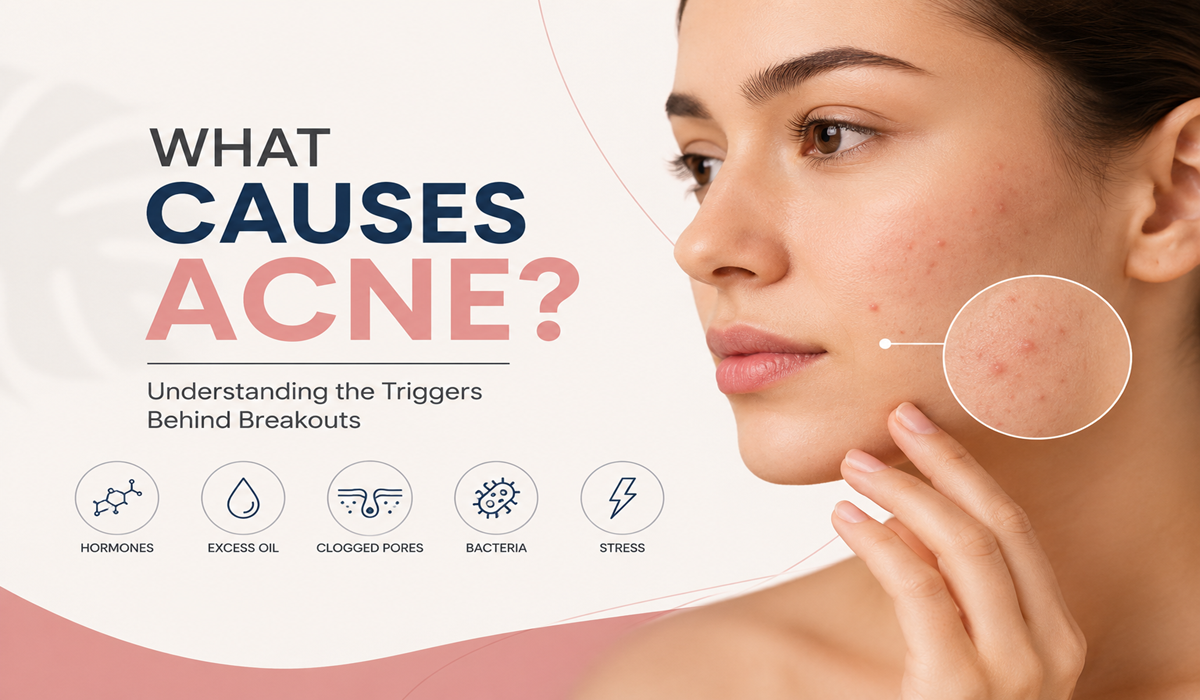
The reason acne develops can vary from person to person. Hormonal changes, excess oil production, blocked pores, genetics, stress, skincare habits, and certain lifestyle factors can all play a role. Identifying these triggers helps dermatologists create a treatment approach that matches an individual’s skin needs.
At Atomic Clinic, acne evaluation focuses on understanding why breakouts are happening instead of only treating visible pimples. A detailed skin assessment helps identify contributing factors and guides a personalized approach for healthier skin.
What Is Acne?
Acne is a skin condition that occurs when hair follicles become blocked with oil, dead skin cells, and other debris. These tiny openings on the skin, commonly called pores, are connected to oil-producing glands known as sebaceous glands.
When these glands produce too much oil, or when dead skin cells do not shed properly, pores can become clogged. This creates an environment where inflammation can develop, leading to different types of acne lesions.
Acne does not always look the same. Some people may notice small bumps or blackheads, while others may develop deeper, painful pimples.
Common types of acne include:
Whiteheads
Whiteheads occur when a clogged pore remains closed at the surface. The trapped oil and dead skin cells create a small raised bump that usually appears white or skin-coloured.
Blackheads
Blackheads form when a clogged pore remains open. The dark appearance is not caused by dirt but by the interaction between the trapped material and air.
Papules
Papules are small, red, inflamed bumps that may feel tender when touched.
Pustules
Pustules are inflamed pimples that contain pus. They often appear as red bumps with a white or yellow centre.
Nodules and Cysts
These are deeper forms of acne that develop beneath the skin. They can be painful and may increase the risk of acne scars if not managed properly.
While acne is often associated with teenage years, it is not limited to adolescents. Adult acne is also common, especially around the jawline, chin, and lower face area.
How Does Acne Develop?
To understand why pimples occur, it helps to understand what happens beneath the skin.
Healthy skin naturally produces oil called sebum. Sebum helps maintain skin moisture and protects the skin barrier. However, when there is excessive oil production or improper shedding of dead skin cells, problems can begin.
The acne development process usually involves several steps:
1. Increased Oil Production
During certain periods of life, especially puberty and hormonal changes, oil glands may become more active. Excess oil can mix with dead skin cells and create blockages inside pores.
People with oily skin are more prone to clogged pores, but acne can also occur in people with normal or dry skin.
2. Blocked Pores
Every pore contains a hair follicle. When oil and dead skin cells accumulate inside the follicle, they can create a blockage.
This blockage may appear as:
- Whiteheads
- Blackheads
- Small bumps
If the blockage continues, inflammation may develop.
3. Inflammation
The immune system responds when the skin detects irritation or bacterial activity inside blocked pores. This response causes redness, swelling, and tenderness.
This is why some acne spots are painful while others remain small and unnoticed.
4. Acne-Causing Bacteria
A type of bacteria naturally found on skin can multiply more easily inside clogged pores. When combined with excess oil and inflammation, it can contribute to acne development.
However, acne is not simply caused by being “unclean.” The presence of bacteria alone does not mean someone has poor hygiene.
5. Skin Repair Response
Repeated inflammation can affect deeper layers of skin. In some people, this may lead to post-acne marks or scars.
This is why treating acne early can be helpful, especially when breakouts are frequent, painful, or leaving permanent changes.
Common Causes of Acne
Acne rarely develops because of one single reason. Most breakouts happen due to a combination of internal factors, such as hormones and genetics, along with external factors like skincare habits, lifestyle, and environment.
Hormonal Changes
Hormonal fluctuations are one of the most common acne triggers, especially during puberty, menstrual cycles, pregnancy, or conditions involving hormonal imbalance.
Androgens (hormones that increase during puberty) can stimulate oil glands, leading to excess oil production and a higher chance of clogged pores.
Hormonal acne commonly appears:
* Around the chin and jawline
* Before menstrual periods
* During hormonal changes
* In adults who did not experience severe teenage acne
Conditions such as polycystic ovary syndrome (PCOS) can also contribute to acne due to hormonal changes. When adult acne appears suddenly or becomes difficult to manage, a dermatologist may evaluate possible underlying causes.
Excess Oil Production
Oily skin does not always mean acne, but excess oil can make pores more likely to become blocked.
Oil production can be influenced by:
* Hormonal activity
* Genetics
* Stress
* Skincare products
* Weather conditions
Using harsh cleansers to remove all oil can damage the skin barrier and increase irritation. Acne-prone skin usually benefits from a balanced routine that controls oil while maintaining skin health.
Blocked Pores and Dead Skin Cell Buildup
Healthy skin naturally sheds dead cells, but sometimes these cells combine with oil and accumulate inside pores. This creates a blockage that can lead to blackheads, whiteheads, and inflamed pimples.
Common reasons pores become clogged include:
* Heavy or unsuitable skincare products
* Not removing makeup properly
* Excess oil production
* Frequent use of pore-clogging products
Acne is not caused by dirty skin. Excessive washing or aggressive scrubbing can irritate the skin and make breakouts harder to manage.
Genetics and Family History
Your genes influence how your skin behaves. If close family members experienced acne, you may have a higher tendency to develop breakouts.
Genetics can affect:
* Oil gland activity
* Skin sensitivity
* Inflammation levels
* How easily pores become blocked
* How the skin heals after acne
However, having a family history of acne does not mean breakouts cannot be managed. Treatment usually depends on individual skin needs and acne severity.
Stress and Lack of Sleep
Stress does not directly cause acne overnight, but ongoing stress can influence factors that worsen breakouts. It may affect hormone levels, inflammation, sleep patterns, and daily skincare habits.
During stressful periods, some people notice acne worsening because they:
* Sleep less
* Follow inconsistent skincare routines
* Change eating habits
* Touch their face more frequently
Good sleep, regular physical activity, and stress management can support overall skin health, although they may not completely treat acne on their own.
Diet and Acne
Many people ask whether certain foods cause acne. The answer depends on the individual.
Acne is not caused by eating one specific food, but some people may notice breakouts worsening with:
* High sugar intake
* Highly processed foods
* Certain dairy products
Removing multiple foods without proper guidance is usually unnecessary. A balanced diet with vegetables, fruits, protein, and adequate hydration supports overall skin health.
Skincare and Cosmetic Products
Products applied to the skin can influence acne, especially when they do not suit your skin type.
Heavy creams, oily makeup, or certain hair products may clog pores and contribute to breakouts. This is sometimes called acne cosmetica, meaning acne related to cosmetic products.
Common triggers include:
* Thick moisturizers on oily skin
* Sleeping with makeup
* Oily hair products touching the forehead
* Using unsuitable skincare products
The right cleanser, moisturizer, and sunscreen can actually support acne management.
Sweat, Friction, and Pressure
Sweating alone does not cause acne, but sweat combined with friction, oil, and bacteria can irritate the skin and contribute to breakouts.
This is commonly seen with:
Gym-related acne: Sweat left on the skin after exercise may contribute to clogged pores. Washing the face after heavy sweating and cleaning workout equipment can help.
Helmet acne: Regular helmet use may cause breakouts due to friction, sweat buildup, and reduced airflow around the forehead and hairline.
Mask acne: Frequent mask use can create a warm, moist environment that may increase irritation and clogged pores in some people.
Hair Products and Hairline Acne
Haircare products are often overlooked as a possible acne trigger. Oils, conditioners, styling creams, and leave-in products can transfer onto facial skin and block pores.
This may cause small bumps around:
* Hairline
* Forehead
* Temples
If acne mainly appears in these areas, reviewing haircare products may help identify possible triggers.
Weather and Humidity
Hot and humid weather can increase sweating, oil production, and skin irritation. Some people notice more breakouts during summer or monsoon seasons.
However, weather alone does not cause acne. It usually acts as one contributing factor along with oil production, skincare habits, and individual skin characteristics.
Certain Medications
Some medications may trigger acne-like breakouts in certain individuals, including:
* Hormonal medications
* Steroids
* Medicines that affect hormone balance
If acne develops after starting a new medication, discuss it with your healthcare provider instead of stopping the medicine without medical advice.
Acne Triggers That May Surprise You
Some acne triggers are not obvious and are often overlooked.
Dirty Pillow Covers and Phone Screens
Your pillowcase and phone screen come into regular contact with your face. While they do not directly cause acne, buildup of oil, sweat, and product residue may contribute to irritation.
Regular cleaning can be a simple supportive habit.
Overusing Acne Products
Many people assume that using more acne products will lead to faster improvement.
However, applying multiple strong products together can irritate the skin barrier and cause:
- Dryness
- Redness
- Burning sensation
- Increased sensitivity
Effective acne care is usually about using the right products consistently rather than using too many products at once.
Picking or Squeezing Pimples
Many people squeeze pimples because they want them to disappear faster.
Unfortunately, picking can push inflammation deeper into the skin and increase the risk of:
- Dark marks
- Longer healing time
- Acne scars
Allowing acne to heal properly or seeking professional guidance is usually safer for your skin.
Risk Factors That Increase Acne Breakouts
Some people are more likely to experience acne because of certain risk factors.
These may include:
- Family history of acne
- Hormonal fluctuations
- Oily skin type
- Stress
- Certain medical conditions
- Use of unsuitable skincare products
- Frequent sweating and friction
- Inconsistent skincare habits
Having one or more risk factors does not mean someone will definitely develop acne. It simply means their skin may need extra attention and care.
Symptoms and Warning Signs of Acne
Acne symptoms can vary depending on the type and severity of breakouts.
Common signs include:
- Blackheads and whiteheads
- Small bumps on the skin
- Red inflamed pimples
- Pus-filled spots
- Painful deeper lumps
- Oily skin
- Tenderness around breakouts
- Dark marks after pimples heal
Some people also experience emotional effects, such as reduced confidence or avoiding social situations because of their skin.
Acne is not only a cosmetic concern. Persistent or severe acne deserves proper attention because untreated inflammation may increase the chance of scarring.
How Dermatologists Diagnose Acne
Many people try to identify their acne type by looking at pictures online or comparing their skin with someone else’s experience. While this can provide general awareness, acne evaluation is more detailed than simply looking at pimples.
A dermatologist considers several factors before recommending treatment, including:
- Type of acne
- Severity of breakouts
- Location of acne
- Duration of the problem
- Previous treatments tried
- Skin type
- Lifestyle habits
- Hormonal factors
- Medical history
During a consultation, a dermatologist may ask questions about when acne started, whether it gets worse during certain periods, skincare products being used, diet patterns, stress levels, and any medications.
For some people, acne may be related to hormonal changes or an underlying condition. For example, sudden adult acne, irregular periods, or excessive facial hair growth may require additional evaluation.
At Atomic Clinic, acne assessment focuses on understanding the reason behind breakouts rather than only addressing visible pimples. A detailed consultation helps the dermatology team understand individual skin concerns and create a suitable treatment approach.
Acne Treatment Options
There is no single acne treatment that works for everyone. The right approach depends on factors such as acne type, severity, skin sensitivity, lifestyle, and whether scarring or pigmentation is present.
A common mistake people make is changing products frequently because they expect overnight improvement. Acne treatment usually requires consistency and a plan suited to the individual’s skin.
Medical Skincare for Acne
A dermatologist may recommend skincare products designed to support acne-prone skin.
This may include:
Gentle Cleansers
A suitable cleanser helps remove excess oil, sweat, and impurities without damaging the skin barrier.
Using harsh soaps or scrubbing aggressively can increase irritation.
Non-Comedogenic Moisturizers
Many people with acne avoid moisturizers because they think hydration will increase oiliness.
However, the right moisturizer can help maintain skin balance and reduce dryness caused by some acne treatments.
Sunscreen
Sun protection is important because acne marks can become darker with sun exposure.
A lightweight sunscreen suitable for acne-prone skin can support long-term skin health.
Dermatologist-Guided Acne Treatments
Depending on the acne condition, dermatologists may recommend targeted treatments.
These may include:
Topical Treatments
Products applied directly to the skin may help manage:
- Blocked pores
- Excess oil
- Inflammation
- Acne-causing factors
The choice depends on the person’s skin condition and tolerance.
Oral Medications
For moderate to severe acne, dermatologists may consider medicines that work from within the body.
These are selected carefully based on individual health factors and should only be used under professional guidance.
Chemical Peels for Acne
Chemical peels involve applying specific solutions to the skin to support controlled exfoliation.
They may be considered for some individuals dealing with:
- Active acne
- Uneven skin texture
- Post-acne marks
The suitability of a chemical peel depends on skin type, acne severity, and overall skin condition.
Acne Scar Management
Active acne and acne scars require different approaches.
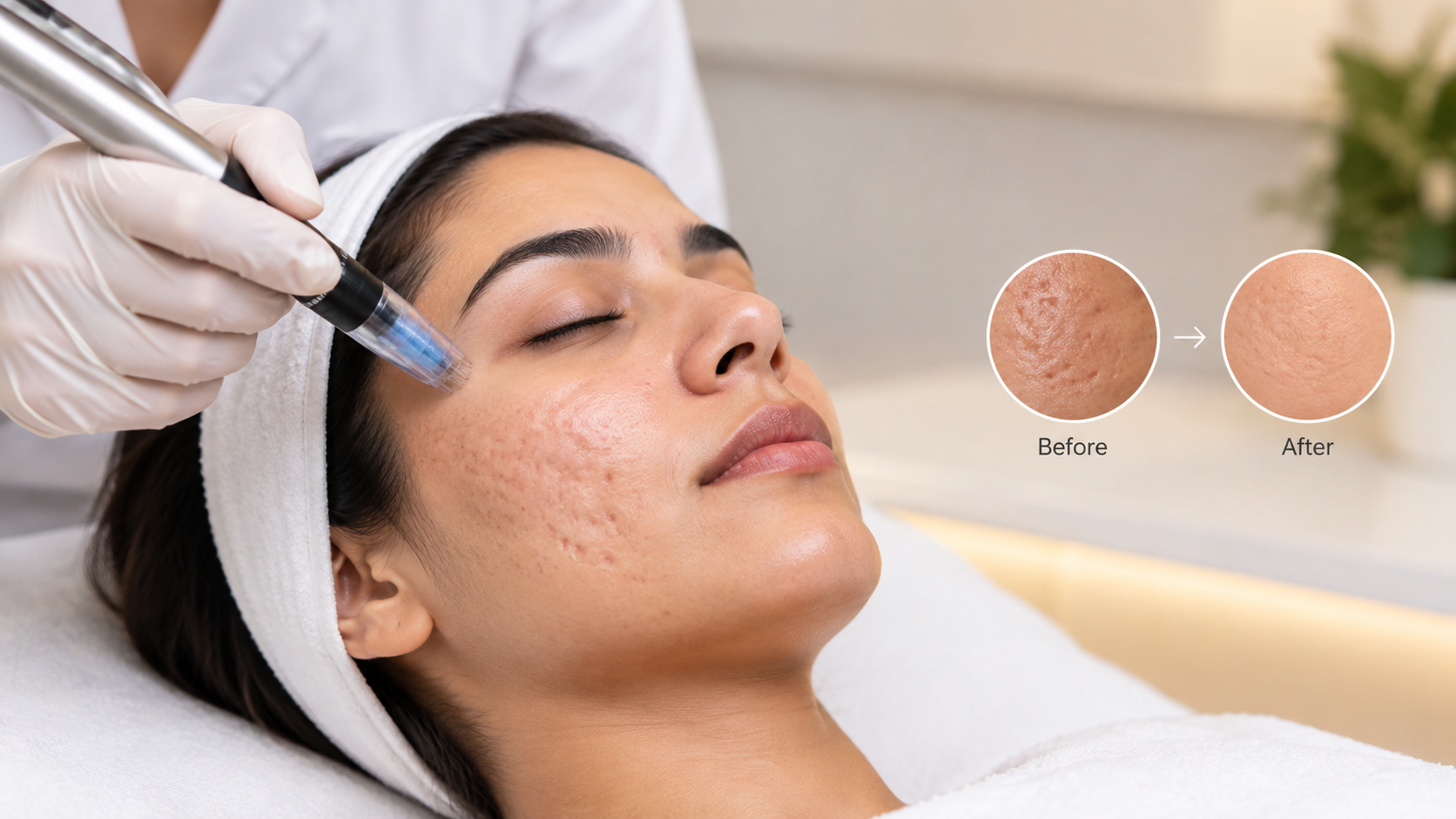
Once acne inflammation is controlled, dermatologists may suggest procedures to improve the appearance of scars.
Options may include:
- Laser-based treatments
- Microneedling procedures
- Other dermatologist-recommended techniques
The right treatment depends on the type of scar, such as:
- Depressed scars
- Rolling scars
- Boxcar scars
- Raised scars
Laser-Based Procedures for Acne Concerns
Certain laser procedures may be considered as part of acne management or scar improvement plans.
These treatments are selected based on:
- Skin type
- Acne condition
- Treatment goals
- Previous treatment response
A dermatologist evaluates whether a procedure is appropriate before recommending it.
Prevention and Long-Term Acne Care
While acne cannot always be prevented completely, certain habits can reduce breakouts and support healthier skin.
Follow a Consistent Skincare Routine
A simple routine is often better than using too many products.
A basic acne-friendly routine may include:
- Gentle cleansing
- Suitable moisturizer
- Sunscreen during daytime
- Recommended acne treatments if prescribed
Avoid Picking Pimples
Touching or squeezing acne can increase inflammation and may leave marks.
Allowing pimples to heal naturally or seeking professional advice can help reduce unnecessary skin damage.
Choose Products Carefully
Look for products suitable for acne-prone skin.
Avoid frequently changing products based on trends or recommendations that do not consider your skin type.
Maintain Healthy Lifestyle Habits
Supportive habits include:
- Getting enough sleep
- Managing stress
- Staying physically active
- Eating a balanced diet
- Maintaining hydration
These habits support overall health and may help your skin respond better to treatment.
Clean Items That Touch Your Face
Regularly clean:
- Pillow covers
- Mobile phone screens
- Helmet padding
- Makeup tools
These steps may help reduce irritation and buildup.
Common Acne Myths vs Facts
Myth 1: Acne Happens Because Your Skin Is Dirty
Fact: Acne is not caused by being dirty.
Acne develops due to factors such as oil production, blocked pores, inflammation, hormones, and genetics.
Over-washing your face can actually irritate your skin.
Myth 2: Touching Your Face Once Causes Acne
Fact: Occasional touching does not directly cause acne.
However, frequent touching with unclean hands may irritate existing breakouts or transfer oil and impurities.
Myth 3: Drinking Cold Water Causes Pimples
Fact: Cold water does not cause acne.
Acne is related to biological processes inside the skin rather than the temperature of water you drink.
Myth 4: Chocolate Always Causes Acne
Fact: Acne is not caused by eating one specific food.
Some people may notice their acne changes with certain dietary patterns, but individual responses vary.
Myth 5: Acne Goes Away Automatically for Everyone
Fact: Some acne improves with age, but persistent acne may require proper management.
Ignoring frequent or severe breakouts may increase the risk of marks and scars.
When Should You Visit a Dermatologist?
Many people wait too long before seeking professional help because they believe acne is something they simply have to tolerate.
Consider consulting a dermatologist if:
Acne Is Painful
Deep, tender pimples or lumps may indicate a more severe form of acne that can benefit from medical guidance.
Acne Is Leaving Scars
If pimples are leaving permanent marks, early management can help reduce the chance of long-term skin changes.
Breakouts Continue for Months
Persistent acne despite using different skincare products may indicate that the underlying cause has not been addressed.
Adult Acne Appears Suddenly
New acne in adulthood may require evaluation of possible hormonal or lifestyle-related factors.
Acne Affects Confidence
Skin concerns can affect emotional wellbeing. Seeking help is not only about appearance but also about improving quality of life.
Acne Keeps Returning
Recurring acne may require a deeper evaluation to identify triggers and create a sustainable management plan.
How Atomic Clinic Helps You Manage Acne
Managing acne effectively starts with understanding why it is happening.
At Atomic Clinic, the approach begins with a detailed dermatology consultation to evaluate factors contributing to breakouts rather than focusing only on visible pimples.
Understanding the Root Cause
Acne can have different triggers for different people. The dermatology team evaluates factors such as:
- Acne type and severity
- Skin characteristics
- Lifestyle habits
- Previous skincare products
- Medical history
- Possible hormonal influences
This helps create a clearer understanding of what may be contributing to the problem.
Personalized Acne Treatment Plans
Every person’s skin responds differently.
A treatment plan may include a combination of:
- Medical skincare guidance
- Dermatologist-recommended treatments
- Acne scar management options
- Chemical peels
- Laser-based procedures when appropriate
The selected approach depends on individual skin needs rather than following a fixed treatment method for everyone.
Skincare Guidance and Prevention Support
Many acne problems continue because people are unsure which products suit their skin.
During consultation, patients receive guidance about:
- Suitable skincare routines
- Product selection
- Lifestyle habits
- Ways to reduce future breakouts
Progress Monitoring
Acne management often requires adjustments over time.
Follow-up consultations allow dermatologists to monitor improvement, understand how the skin is responding, and modify the approach when needed.
If acne keeps returning, becomes painful, or starts affecting your confidence, consulting the dermatology team at Atomic Clinic can help you understand your skin better and choose a treatment approach suited to your needs.
Frequently Asked Questions About Acne
1. What causes acne on the face?
Acne develops when oil, dead skin cells, and inflammation affect hair follicles. Hormonal changes, genetics, skincare habits, stress, and environmental factors can contribute to breakouts.
2. Why do pimples occur even after following a skincare routine?
A skincare routine can support skin health, but acne may continue if underlying triggers such as hormones, genetics, or inflammation are not addressed.
3. Can adults get acne?
Yes. Adult acne is common and may be related to hormonal changes, stress, lifestyle factors, or skincare products.
4. Does oily skin always cause acne?
No. Oily skin can increase the chance of clogged pores, but acne depends on several factors including inflammation and genetics.
5. Can acne scars be prevented?
Early and appropriate acne management may help reduce the risk of scarring, especially in people with painful or severe acne.
6. How long does acne treatment take to show results?
Treatment response varies from person to person. Factors such as acne severity, treatment type, and consistency influence improvement.
7. Should I stop using moisturizer if I have acne?
No. The right moisturizer can help maintain skin balance. Choosing one suitable for acne-prone skin is important.
8. Can diet completely cure acne?
Diet alone usually does not determine whether someone develops acne. However, healthy eating habits can support overall skin health.
9. Is acne only a teenage problem?
No. Acne can affect teenagers and adults at different stages of life.
10. When should I see a dermatologist for acne?
You should consider professional advice if acne is painful, persistent, leaving scars, suddenly appearing in adulthood, or affecting your confidence.
Conclusion
Acne is more than just occasional pimples. It is a skin condition influenced by multiple factors, including hormones, oil production, blocked pores, genetics, lifestyle, and skincare habits.
Understanding what causes acne helps you make better decisions about managing your skin. While online advice and skincare products can be helpful, persistent or severe acne often requires a personalized approach.
This article is intended for educational purposes. A dermatologist can provide personalised advice after evaluating your skin condition.
If your acne continues despite home care, becomes painful, leaves marks, or keeps returning, consulting an experienced dermatologist can help identify the underlying cause and guide you toward a treatment approach suited to your skin.