Adult Acne Treatment in Varanasi: Causes, Symptoms, Prevention & Modern Solutions

Introduction
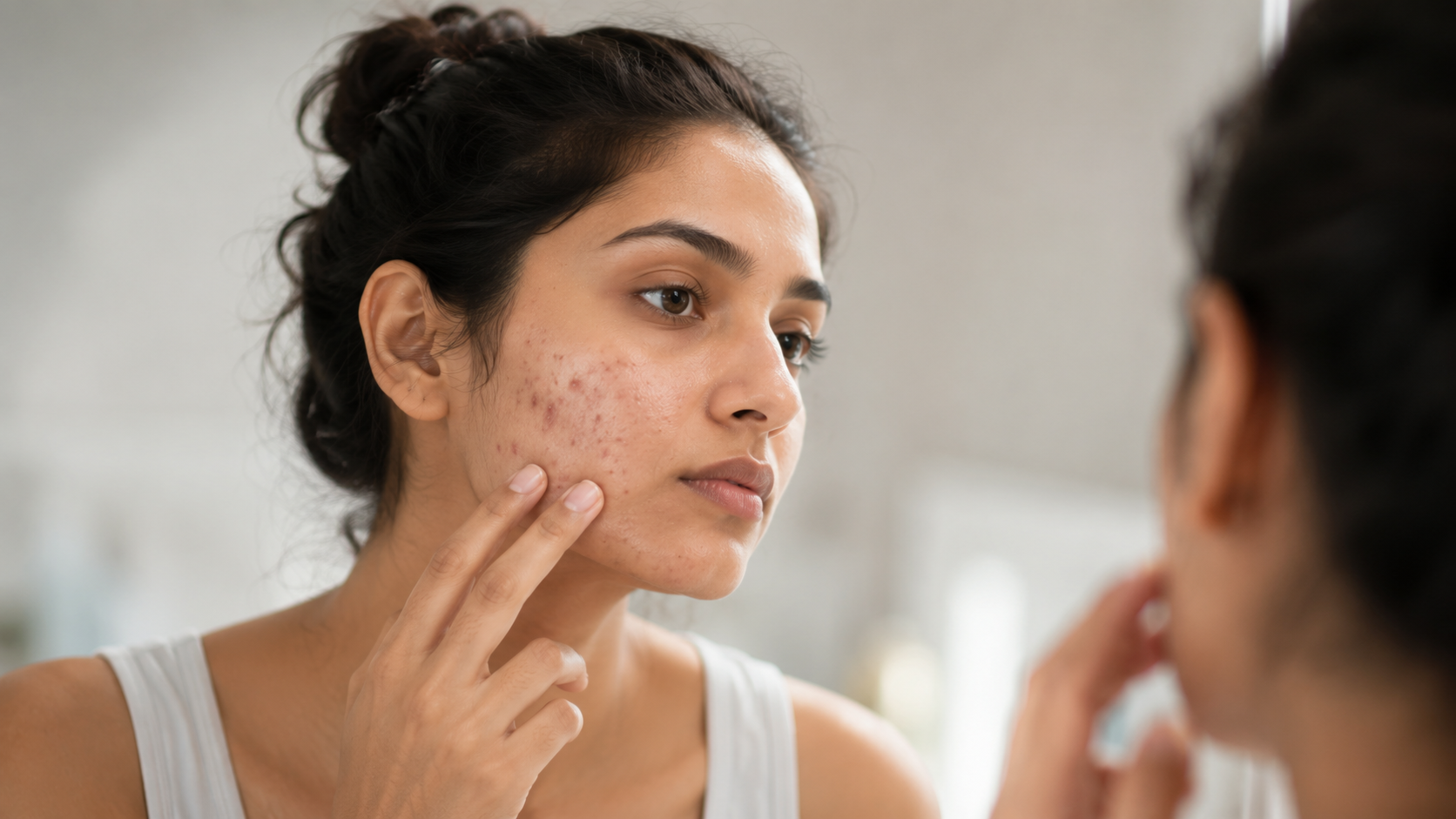
Acne is often considered a teenage problem, but many adults continue to struggle with breakouts well into their 20s, 30s, and even 40s. In dermatology practice, it is increasingly common to see professionals, homemakers, students, and working women seeking help for persistent acne that affects both their appearance and confidence.
If you are searching for reliable Adult Acne Treatment in Varanasi, understanding the root cause of your acne is the first step toward achieving healthier skin. Adult acne can be more stubborn than adolescent acne and often requires a personalized treatment approach rather than relying on over-the-counter products alone.
What Is Adult Acne?
Adult acne refers to acne that occurs after the age of 25. It may continue from adolescence or develop for the first time during adulthood.
Unlike teenage acne, adult acne commonly appears on:
- Jawline
- Chin
- Lower cheeks
- Neck
- Around the mouth
Many patients experience recurring breakouts that seem to improve temporarily and then return. Adult acne often has a hormonal component and may be associated with lifestyle, stress, or underlying medical conditions.
Why Adult Acne Is Increasing Among Adults
Dermatologists across India have noticed a significant rise in adult acne cases over the last decade.
Several modern lifestyle factors contribute to this trend:
- Increased stress levels
- Irregular sleep patterns
- Hormonal imbalances
- Sedentary lifestyle
- Processed food consumption
- Excessive cosmetic use
- Environmental pollution
In cities like Varanasi, where pollution and humidity can fluctuate throughout the year, skin may become more prone to clogged pores and inflammation.
Common Causes of Adult Acne
Understanding the underlying trigger is essential for successful treatment.
Hormonal Changes
Hormones play a major role in acne development.
An increase in androgen hormones can stimulate sebaceous glands, causing excess oil production. This extra oil combines with dead skin cells and blocks pores, creating an environment where acne-causing bacteria can thrive.
Hormonal fluctuations are commonly seen during:
- Menstrual cycles
- Pregnancy
- Postpartum period
- Perimenopause
- Menopause
This is why Hormonal Acne in Women is one of the most frequently diagnosed forms of adult acne.
PCOS (Polycystic Ovary Syndrome)
PCOS is a common hormonal condition that often causes:
- Persistent acne
- Irregular periods
- Weight gain
- Excess facial hair
- Hair thinning
Women with PCOS frequently develop acne around the chin and jawline. Treating the underlying hormonal imbalance is often necessary for long-term improvement.
Stress
Stress doesn’t directly cause acne, but it can worsen existing breakouts.
When the body experiences stress, cortisol levels rise. Elevated cortisol can increase inflammation and oil production, leading to more frequent flare-ups.
Many adults notice worsening acne during:
- Work deadlines
- Exams
- Emotional stress
- Sleep deprivation
Lifestyle Factors
Several daily habits can contribute to acne:
- Lack of sleep
- Smoking
- Sedentary routine
- Inadequate hydration
- Excessive screen time leading to poor sleep quality
Small lifestyle changes can significantly improve overall skin health.
Genetics
If one or both parents experienced persistent acne, there is a greater likelihood of developing adult acne.
Genetics can influence:
- Oil production
- Skin sensitivity
- Inflammatory response
- Hormonal tendencies
Diet
Research suggests that certain dietary patterns may worsen acne in susceptible individuals.
Possible triggers include:
- High-glycemic foods
- Sugary beverages
- Excess dairy consumption
- Processed foods
Not everyone reacts the same way to food. Identifying personal triggers can be helpful.
Improper Skincare Products
Heavy creams, pore-clogging cosmetics, and inappropriate skincare products can aggravate acne.
Common mistakes include:
- Over-exfoliating
- Frequent face washing
- Using harsh scrubs
- Sleeping with makeup on
- Applying oily products
A dermatologist-guided skincare routine can prevent many of these issues.
Symptoms of Adult Acne
Adult acne can present in several forms.
Common symptoms include:
- Whiteheads
- Blackheads
- Red bumps
- Tender pimples
- Deep painful cysts
- Acne scars
- Skin discoloration after healing
Many adults also experience post-inflammatory hyperpigmentation, where dark spots remain long after pimples have disappeared.
Different Types of Adult Acne
Comedonal Acne
Characterized by:
- Blackheads
- Whiteheads
- Minimal inflammation
Inflammatory Acne
Includes:
- Red papules
- Pustules
- Swelling
- Tenderness
Hormonal Acne
Usually appears on:
- Chin
- Jawline
- Neck
Breakouts often worsen before menstruation.
Cystic Acne
Cystic Acne Treatment requires professional medical attention because lesions develop deep within the skin.
Features include:
- Painful nodules
- Deep cysts
- Significant inflammation
- Higher risk of scarring
How Dermatologists Diagnose Adult Acne
Proper diagnosis goes beyond simply looking at pimples.
A dermatologist may evaluate:
- Medical history
- Hormonal health
- Menstrual patterns
- Current medications
- Diet and lifestyle
- Skincare products
- Family history
In some cases, blood tests or hormonal investigations may be recommended to identify underlying causes.
The goal is to create a treatment plan tailored to the individual’s skin condition and overall health.
Adult Acne Treatment in Varanasi: Modern Solutions Available Today
Modern dermatology offers several effective approaches for managing adult acne.
Treatment effectiveness varies depending on:
- Skin type
- Severity of acne
- Hormonal factors
- Presence of scars
- Individual response to treatment
Medical Treatments
Dermatologists may prescribe:
Topical Medications
- Retinoids
- Benzoyl peroxide
- Antibiotic creams
- Azelaic acid
These help reduce inflammation and prevent clogged pores.
Oral Medications
Depending on severity, treatment may include:
- Oral antibiotics
- Hormonal therapy
- Anti-androgen medications
- Isotretinoin in selected cases
Professional supervision is important because these medications require proper monitoring.
Chemical peels are commonly used as part of Acne Treatment in Varanasi.
Benefits may include:
- Reduced oiliness
- Improved skin texture
- Unclogged pores
- Reduced pigmentation
Salicylic acid peels and glycolic acid peels are frequently recommended for acne-prone skin.
Modern laser technologies can help manage:
- Active acne
- Acne scars
- Redness
- Pigmentation
Laser procedures work by targeting inflammation and stimulating collagen production.
Multiple sessions may be required depending on the condition being treated.
Acne Scar Treatments
Acne scars can persist long after active breakouts have healed.
Common Acne Scar Treatment options include:
Creates controlled micro-injuries that stimulate collagen production.
Improves:
- Atrophic scars
- Uneven skin texture
- Post-acne marks
Subcision
Useful for certain depressed acne scars.
Combination Therapy
Many patients achieve better outcomes through a combination of procedures rather than relying on a single treatment.
Advanced Dermatology Procedures
Modern dermatology clinics may offer advanced treatments such as:
- Microneedling with growth factors
- Radiofrequency microneedling
- Medical facials for acne-prone skin
- Scar revision procedures
- Customized treatment protocols
The best approach depends on the patient’s skin condition and treatment goals.
Prevention Tips for Adult Acne
While not every case can be prevented, these habits can reduce flare-ups.
Follow a Consistent Skincare Routine
Use:
- Gentle cleanser
- Non-comedogenic moisturizer
- Sunscreen suitable for acne-prone skin
Avoid Picking Pimples
Picking increases the risk of:
- Scarring
- Infection
- Pigmentation
Manage Stress
Helpful strategies include:
- Regular exercise
- Meditation
- Adequate sleep
- Relaxation techniques
Maintain a Balanced Diet
Focus on:
- Fruits
- Vegetables
- Lean protein
- Whole grains
Reduce excessive processed foods and sugary drinks.
Clean Makeup Tools Regularly
Dirty brushes and applicators can transfer bacteria and oil to the skin.
Don’t Self-Medicate
Many online acne remedies can worsen skin irritation. Consulting a qualified dermatologist is often the safest approach.
When Should You Visit a Dermatologist?
Consider seeing a Dermatologist for Acne in Varanasi if:
- Acne persists beyond a few months
- Over-the-counter products are ineffective
- Acne leaves scars
- Painful cysts develop
- Breakouts affect confidence and mental well-being
- You suspect hormonal imbalance
Early treatment often reduces the risk of permanent scarring.
Why Choose Atomic Clinic for Adult Acne Treatment in Varanasi?
When it comes to Adult Acne Treatment in Varanasi, a personalized approach is essential because no two acne cases are exactly alike.
At Atomic Clinic, patients benefit from:
- Detailed skin assessment
- Experienced dermatology professionals
- Personalized treatment plans
- Advanced acne management technologies
- Acne scar treatment solutions
- Patient-focused care and follow-up
The clinic emphasizes identifying underlying causes rather than simply treating visible breakouts. This approach helps patients achieve healthier skin while minimizing the risk of recurring acne and long-term scarring.
Frequently Asked Questions
1. Can adult acne be cured permanently?
The outcome depends on the underlying cause. Many patients achieve long-term control with proper treatment, lifestyle modifications, and regular dermatological care.
2. What is the best treatment for hormonal acne?
Hormonal acne treatment varies from person to person. Treatment may include topical medications, hormonal therapies, lifestyle modifications, or a combination of approaches.
3. How long does acne treatment take to show results?
Most treatments require several weeks before noticeable improvement occurs. Significant improvement often takes 8–12 weeks or longer depending on severity.
4. Can acne scars be removed completely?
Complete removal is not always possible. However, modern acne scar removal procedures can significantly improve skin texture and appearance.
5. Is adult acne more common in women?
Yes. Hormonal fluctuations related to menstrual cycles, pregnancy, PCOS, and menopause make adult acne more common among women.
6. Does stress really worsen acne?
Stress can increase inflammation and oil production, which may trigger or aggravate acne in susceptible individuals.
7. Are chemical peels safe for acne-prone skin?
When performed by trained professionals, chemical peels can be an effective part of acne management and acne scar treatment.
Final Thoughts
Adult acne is more than a cosmetic concern. It can affect self-confidence, emotional well-being, and overall quality of life. The encouraging news is that modern dermatology offers numerous effective options for managing breakouts, controlling inflammation, and improving acne scars.
If you are looking for Adult Acne Treatment in Varanasi, seeking professional evaluation early can help identify the root cause and prevent long-term skin damage. Since treatment outcomes vary based on skin type, acne severity, hormonal influences, and lifestyle factors, a personalized treatment plan remains the most effective path toward clearer, healthier skin.