
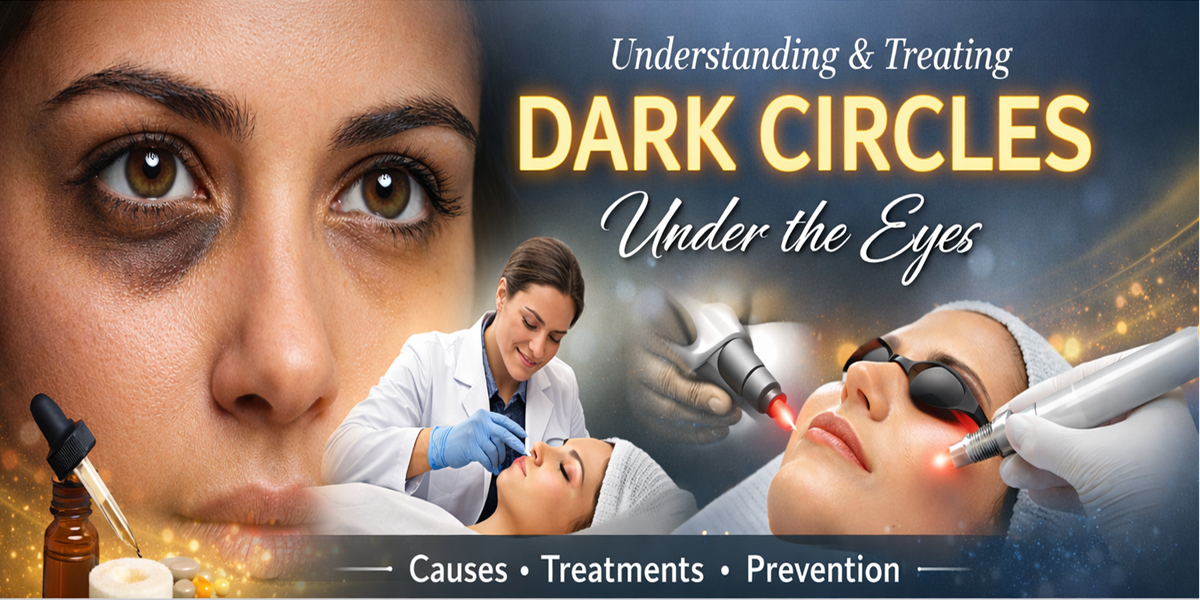
Dark Circles under Eyes: Medical Reasons and Treatment Options

Dark circles under the eyes are among the most common concerns faced by people of all ages today. They can make the face appear tired, stressed, and older than it actually is, often affecting confidence even when the rest of the skin looks healthy. While many people associate dark circles only with lack of sleep, the reality is that they are usually caused by a combination of medical, genetic, and lifestyle-related factors.
At Atomic Clinic, Varanasi, patients frequently visit with long-standing dark circles despite trying multiple eye creams, home remedies, and cosmetic products. In most cases, the issue is not neglect but misdiagnosis. Understanding why dark circles occur is the key to choosing the right treatment.
Understanding the Under-Eye Area
The skin under the eyes is the thinnest on the face and has very little fat and oil glands. Because of this, blood vessels, pigmentation, and structural changes are much more visible here. Any disturbance—whether internal or external—tends to show up first around the eyes.
Dark circles are not a single condition. They can appear brown, bluish, purple, or shadowed depending on the underlying cause. This is why a one-size-fits-all solution does not work.
Common Medical Reasons for Dark Circles
Genetic Predisposition
Genetics play a significant role in the development of dark circles. If parents or close family members have prominent under-eye darkness, it often appears early in life and persists regardless of lifestyle changes. Genetic dark circles are usually due to thinner skin or increased melanin in the under-eye region.
Increased Pigmentation
Hyperpigmentation is a common cause of dark circles in Indian skin types. Excess melanin production around the eyes may occur due to sun exposure, frequent eye rubbing, hormonal changes, or post-inflammatory pigmentation from allergies and eczema.
Under-Eye Hollowing and Tear Troughs
As we age, natural fat and collagen loss occurs under the eyes. This creates hollow areas known as tear troughs, which cast shadows and give the illusion of dark circles. Rapid weight loss, stress, and poor nutrition can accelerate this process even in younger individuals.
Visible Blood Vessels and Poor Circulation
Bluish or purplish dark circles are often caused by visible blood vessels beneath thin skin. Poor blood circulation, smoking, dehydration, and prolonged screen time can worsen this appearance.
Allergies and Chronic Eye Rubbing
People with allergic rhinitis, sinus issues, or sensitive eyes often rub their eyes frequently. This damages delicate skin, increases pigmentation, and dilates blood vessels, leading to worsening dark circles over time.
Lifestyle and Sleep Irregularities
Although sleep deprivation is not the only cause, it certainly contributes. Irregular sleep cycles, excessive screen exposure, stress, smoking, alcohol consumption, and dehydration all negatively affect skin repair and circulation, making dark circles more prominent.
Nutritional Deficiencies
Low levels of iron, vitamin B12, and other essential nutrients can affect oxygen delivery to tissues and slow skin regeneration, contributing to dullness and discoloration around the eyes.
Why Home Remedies and Eye Creams Often Fail
Many patients use eye creams for months without seeing noticeable improvement. This is because most over-the-counter products focus only on hydration or temporary brightening. They cannot correct structural issues like hollowing, vascular visibility, or genetic pigmentation.
Without identifying the root cause, treatment remains superficial. This is why dermatologist evaluation is essential before investing in long-term solutions.
Medical Treatment Options Available at Atomic Clinic
At Atomic Clinic, dark circle treatment is not limited to cosmetic improvement. Each patient undergoes a detailed assessment to identify the exact cause and type of dark circles. Based on this evaluation, a personalised treatment plan is created.
Dermatologist-Prescribed Topical Treatments
Medical-grade creams containing ingredients such as retinoids, vitamin C, peptides, niacinamide, and depigmenting agents help improve skin thickness, pigmentation, and texture when used correctly under supervision.
Chemical Peels for Pigmented Dark Circles
Specially formulated mild chemical peels are used for the under-eye area to reduce excess pigmentation safely. These peels help brighten the skin and improve tone without damaging sensitive tissue.
Under-Eye PRP Therapy
Platelet-Rich Plasma (PRP) therapy uses the patient’s own blood-derived growth factors to stimulate collagen production, improve circulation, and enhance skin quality. PRP is especially beneficial for dark circles associated with thinning skin and dullness.
Under-Eye Fillers
For patients with prominent hollows and shadowing, hyaluronic acid fillers provide effective correction. When performed by an experienced dermatologist, fillers restore volume, reduce darkness, and create a refreshed appearance with natural-looking results.
Laser Treatments
Advanced laser technologies help target pigmentation, stimulate collagen, and improve skin texture. Laser treatment is particularly effective for mixed dark circles involving pigmentation and vascular visibility.
Treating Associated Medical Conditions
If allergies, sinus problems, or nutritional deficiencies are contributing to dark circles, these issues are managed alongside aesthetic treatment. This holistic approach ensures long-lasting results rather than temporary improvement.
Why Atomic Clinic Is Trusted for Dark Circle Treatment in Varanasi
Atomic Clinic combines medical expertise with advanced dermatology technology to deliver safe and effective results. Treatments are performed under expert supervision using evidence-based protocols and USFDA-approved equipment.
Instead of recommending unnecessary procedures, the focus remains on honest assessment, patient education, and realistic outcomes. This approach helps patients achieve visible improvement while maintaining natural facial harmony.
Preventive Care and Daily Habits That Help
Medical treatment works best when supported by good daily habits. Simple measures can help prevent worsening of dark circles:
- Maintain consistent sleep patterns
- Protect the under-eye area from sun exposure
- Avoid rubbing or scratching the eyes
- Stay hydrated and eat a nutrient-rich diet
- Manage allergies under medical guidance
When Should You Consult a Dermatologist?
If dark circles persist despite adequate sleep and skincare, or if they worsen over time, it is advisable to consult a dermatologist. Early evaluation prevents unnecessary spending on ineffective products and ensures timely treatment.
Dark circles appearing suddenly or worsening rapidly may also indicate underlying health issues that require medical attention.
Final Thoughts
Dark circles under the eyes are not merely a cosmetic inconvenience; they often reflect deeper skin or health-related factors. Understanding the medical reason behind them is essential for effective treatment. With accurate diagnosis, advanced technology, and personalised care, dark circles can be significantly reduced.
At Atomic Clinic, patients receive scientifically guided solutions rather than temporary fixes. If dark circles are affecting your appearance or confidence, professional evaluation can help you move toward brighter, healthier-looking eyes with safe and proven treatments.