
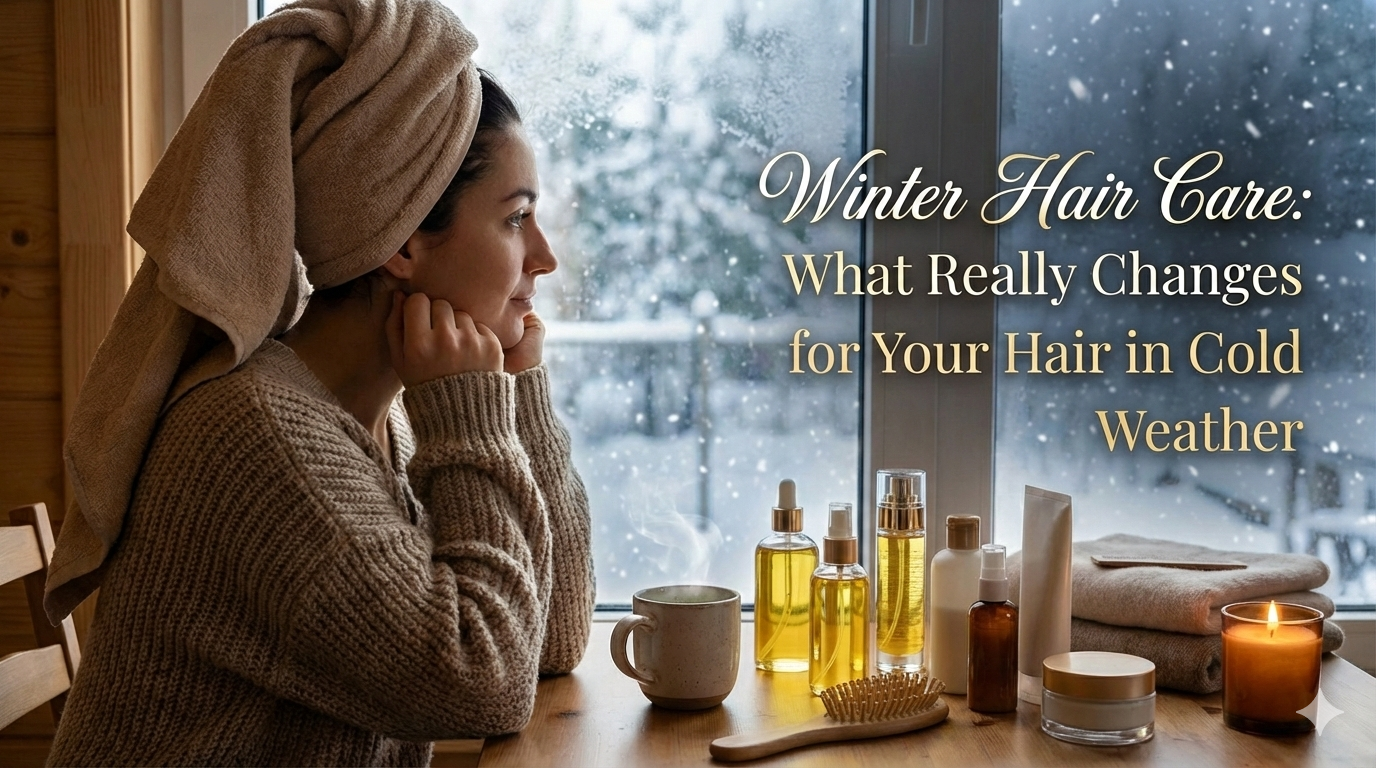
Winter Hair Care: What Really Changes for Your Hair in Cold Weather

Every winter, clinics see a noticeable rise in patients complaining of sudden hair fall, itchy scalp, dandruff, and rough hair texture. While most people blame the weather—and they’re partly right—the real reasons go deeper. Understanding these changes is the first step toward following the right winter hair care tips that actually protect scalp health and prevent seasonal hair damage.
Winter affects the scalp differently than summer or monsoon. Low humidity dries out the scalp, indoor heating worsens moisture loss, and people unknowingly change habits—hot showers, less water intake, irregular hair washing. Together, these create the perfect environment for hair problems.
The good news is that most winter-related hair issues are manageable—if you understand what’s happening and act early.
Why Hair Fall Increases in Winter
Hair fall in winter is one of the most searched concerns, and for good reason.
Here’s what actually happens:
- Dry scalp weakens hair roots
A dry scalp cannot support strong hair growth. When the skin barrier is damaged, hair sheds more easily. - Reduced blood circulation
Cold temperatures slightly reduce scalp circulation, affecting nutrient delivery to hair follicles. - Hot water & overwashing mistakes
Hot water strips natural oils, while overwashing dries the scalp further. - Hidden deficiencies become visible
Iron, vitamin D, and protein deficiencies often show symptoms in winter.
Seasonal hair fall is usually temporary, but excessive or prolonged hair fall is not normal and should not be ignored.
Is Winter Hair Fall Normal or a Sign of Hair Loss?
A common question patients ask is whether winter hair fall is something to worry about.
Normal winter shedding:
- Mild increase in hair fall
- No visible thinning
- Stops within 4–6 weeks
Warning signs:
- Hair fall lasting more than 2 months
- Thinning from the crown or front
- Increased dandruff with hair fall
- No new baby hair growth
If these signs are present, winter may be revealing an underlying hair condition, not causing it.
Dry Scalp vs Dandruff in Winter: Know the Difference
Many people treat dry scalp and dandruff the same way, which often worsens the problem.
Dry Scalp
- Small, dry flakes
- Tight or itchy feeling
- Worse after hair wash
- Improves with moisturising care
Dandruff
- Larger white or yellow flakes
- Greasy scalp
- Persistent itching
- Often fungal in nature
Using oil on dandruff-prone scalp can make it worse. This is why proper diagnosis matters, especially in winter.
Practical Winter Hair Care Routine That Actually Works
This routine is realistic, easy to follow, and suitable for Indian weather and lifestyles.
1. Wash Hair the Right Way
- 2–3 times a week is ideal
- Use lukewarm water, not hot
- Choose mild, pH-balanced shampoos
2. Never Skip Conditioner
Conditioner seals moisture and reduces breakage. Apply only to lengths, not the scalp.
3. Scalp Care Is More Important Than Hair Care
Healthy hair grows from a healthy scalp. If the scalp is itchy, flaky, or oily, address that first.
4. Oil Smartly, Not Excessively
- Once or twice a week is enough
- Avoid heavy overnight oiling if dandruff exists
5. Watch Your Diet & Water Intake
Winter dehydration affects hair growth. Protein, iron, omega-3, and vitamin D are essential.
When Home Care Is Not Enough
If despite good routine and products you notice:
- Persistent hair fall
- Severe dandruff
- Thinning or reduced volume
- No visible improvement after 6–8 weeks
…it’s time to consider medical or advanced hair treatments.
Winter is actually an ideal season to start professional hair treatments due to better scalp healing and less sweat-related issues.
Advanced Hair Treatments That Work Best in Winter
PRP Hair Treatment (Platelet-Rich Plasma)
PRP uses growth factors from your own blood to stimulate weak hair follicles.
Why PRP works well in winter:
- Better scalp recovery
- Reduced inflammation
- Improved treatment response
Best for:
Early hair thinning, excessive hair fall, weak roots
GFC Therapy (Growth Factor Concentrate)
GFC is a more advanced and refined treatment compared to PRP, delivering higher concentrations of growth factors.
Best for:
Patients with poor response to medications or PRP
Winter advantage:
Faster healing and stronger regrowth response
Mesotherapy for Hair
Mesotherapy delivers vitamins, amino acids, and minerals directly into the scalp.
Ideal for:
Nutritional hair fall, dull hair, seasonal shedding
Medical Treatment for Dandruff & Scalp Conditions
Chronic dandruff often needs prescription-based lotions, antifungal treatments, and medicated shampoos—especially when it worsens in winter.
Self-treatment often delays recovery. Expert-guided treatment prevents recurrence.
Why Winter Is the Best Time to Start Hair Treatment
- Less sweating reduces scalp irritation
- Better compliance with treatment schedules
- Faster visible improvement
- Prepares hair for summer stress
Starting treatment early prevents long-term hair loss and improves overall hair quality.
Frequently Asked Questions (AEO Optimized)
Does hair grow slower in winter?
Hair growth may slow slightly due to reduced circulation, but proper care and treatment maintain healthy growth.
Is PRP safe during winter?
Yes. Winter is considered a good time for PRP due to better scalp recovery.
How often should I oil my hair in winter?
Once or twice a week is sufficient. Over-oiling can worsen dandruff.
Can dandruff cause hair fall in winter?
Yes. Untreated dandruff weakens hair roots and increases hair shedding.
When should I see a specialist for winter hair fall?
If hair fall lasts more than 6–8 weeks or causes visible thinning, professional evaluation is advised.
Conclusion: Smart Winter Hair Care Is About Timing and Right Decisions
Winter hair problems are common, but they don’t have to become permanent. The combination of correct daily care, early intervention, and advanced treatments when needed can protect hair health effectively.
Ignoring symptoms or relying only on home remedies often delays results. Timely, expert-guided care ensures healthier, stronger hair not just during winter—but all year round.
Dr. Sneha Gupta is one of the best skin doctor in Varanasi with extensive experience in treating hair fall, dandruff, and scalp disorders using evidence-based dermatological solutions. She specialises in advanced hair treatments such as PRP, GFC therapy, and medical scalp care. Her clinical approach focuses on accurate diagnosis, personalised treatment plans, and long-term hair health.