Which Clinic Is Best for Laser Treatment?

Laser Treatments for Skin and Hair: What to Know Before You Decide
Questions about laser treatment often begin with a specific concern: unwanted facial hair, marks left by acne, uneven pigmentation, or a change in skin texture. With so many procedures available, understanding which options may be appropriate can take time.
For anyone exploring treatment through a skin, hair, laser, and wellness clinic, a consultation is an opportunity to understand the concern before choosing a procedure. Different conditions may need different approaches, and laser treatment is only one of the options that may be discussed.
How Are Lasers Used in Skin and Hair Care?
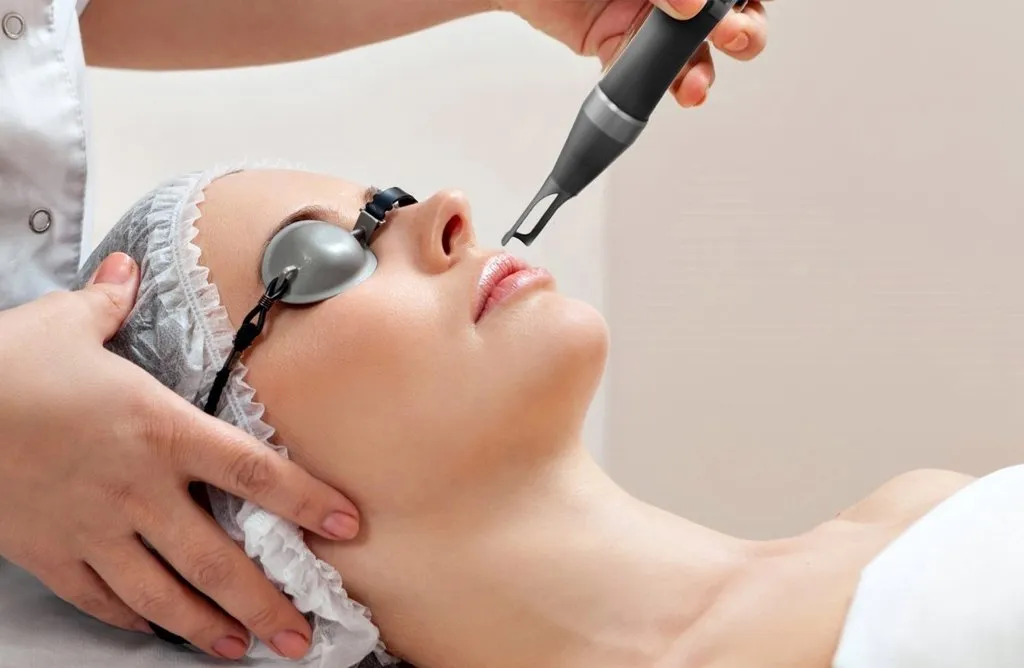
Lasers use focused light energy to target particular structures within the skin. The type of device and the way it is used depend on the purpose of treatment.
A procedure intended for hair reduction differs from one used for tattoo removal or skin resurfacing. Preparation, treatment intervals, and recovery requirements can vary too. Knowing the exact procedure being recommended makes it easier to understand what it involves.
Laser Hair Reduction
Frequent shaving, waxing, or threading leads some people to consider laser hair reduction. Before deciding, it is useful to discuss the pattern of hair growth, previous hair removal methods, and the results you hope to achieve.
Ask how your skin tone and hair characteristics affect the proposed plan. The consultation should also cover the expected course of appointments, possible discomfort, and whether maintenance sessions may be needed.
Hair reduction and treatment for scalp hair loss are separate concerns. If thinning or increased shedding is the reason for your visit, explain this clearly so that the assessment focuses on the appropriate problem.
Pigmentation and Uneven Skin Tone
Dark patches and spots can look similar while having different underlying causes. Choosing a procedure should therefore begin with identifying the condition.
During an assessment, describe when the pigmentation appeared, whether it has changed, and what you have already tried. Mention any irritation or worsening after previous products or procedures.
Questions worth discussing include whether a procedure is appropriate, what improvement is realistic, and whether the pigmentation may return. An educational consultation should also explain other available approaches.
Acne Scars and Skin Texture
Acne marks and acne scars are often used to describe the same thing, but they may refer to different concerns. Show the practitioner the areas that bother you and ask what type of change is being assessed.
If laser resurfacing is suggested, discuss which features it aims to improve and what may remain afterwards. Ask about the healing period before arranging treatment around work, travel, or an important event.
Photographs taken under consistent conditions may be discussed as a way to review progress. Any clinical photography should involve an explanation of its purpose and your consent.
Tattoo Removal
Before considering tattoo removal, discuss the tattoo’s age, colours, location, and any previous removal attempts.
The consultation should address the likely treatment course, the limits of removal, and possible changes to the skin. Avoid assuming that a tattoo can be completely removed within a fixed number of visits.
Skin Tightening and Body Contouring
Not every device used in an aesthetic clinic is a laser. Some procedures use radiofrequency or ultrasound.
If skin tightening or body contouring is being discussed, ask which technology is proposed and what concern it is intended to address. The explanation should include expected changes, limitations, risks, and follow-up requirements.
Clear terminology helps prevent confusion between procedures that may sound similar but work differently.
Where Does Wellness Fit In?
A skin or hair consultation may include questions about sleep, stress, food habits, medicines, and everyday routines. Sharing this information gives the treating professional a fuller picture of your health and circumstances.
Explain any recent changes you have noticed, including changes in hair growth, shedding, or skin sensitivity. Mention supplements and non-prescription products as well as prescribed medicines.
Wellness advice should relate to your individual needs. Ask why a change or supplement is being suggested and whether any further assessment is necessary.
What Should Be Discussed Before a Procedure?
You should understand the recommendation before giving consent. A useful discussion covers:
The condition or concern being treated.
Why the procedure has been suggested.
Other options, including choosing not to proceed.
The qualifications of the person performing it.
Expected improvement and treatment limitations.
Possible side effects and recovery time.
The estimated cost and likely follow-up needs.
Take time to ask about anything that remains unclear. Written information can help you review the details after the appointment.
Planning for Recovery and Aftercare
Recovery instructions depend on the procedure. Ask what changes you may notice afterwards and how treatment could affect your usual activities.
Discuss when to resume skincare products, makeup, exercise, and outdoor activities. You should also know whom to contact if you develop symptoms that concern you.
Follow the instructions provided for your own treatment. Another person’s experience may differ, even if they had a procedure with the same name.
An informed decision begins with a clear assessment and realistic expectations. Understanding the purpose, limitations, and care involved helps you decide whether a proposed treatment suits your needs.